
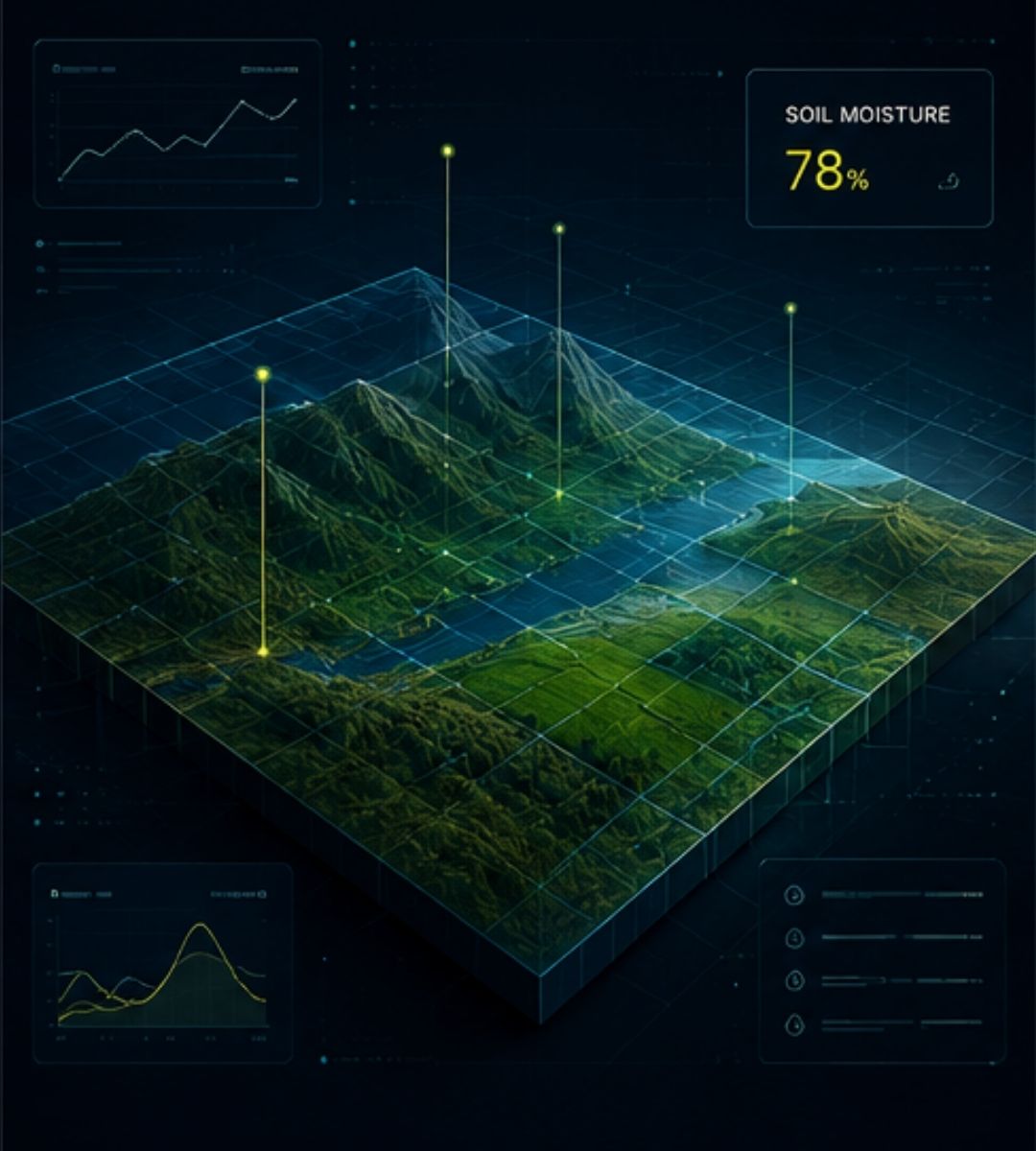
Research agenda
The questions we’re working on.
Ideas our team has developed for European research calls — one recognised with a Seal of Excellence, others still looking for the right partners and funding. If one of them matches your work, let’s talk.
How to read this page
Concepts, not funded projects.
Each idea below started as a research proposal. They share one thread: understanding weather and climate where it matters — in a field, a village, a city street — and how the rhythm of the seasons is changing.
Our funded and completed work is on the Projects page. Here we share the questions we want to answer next, so that partners, funders and users can find us.
Theme 1 · Local weather intelligence
Weather information at the scale of a single field.
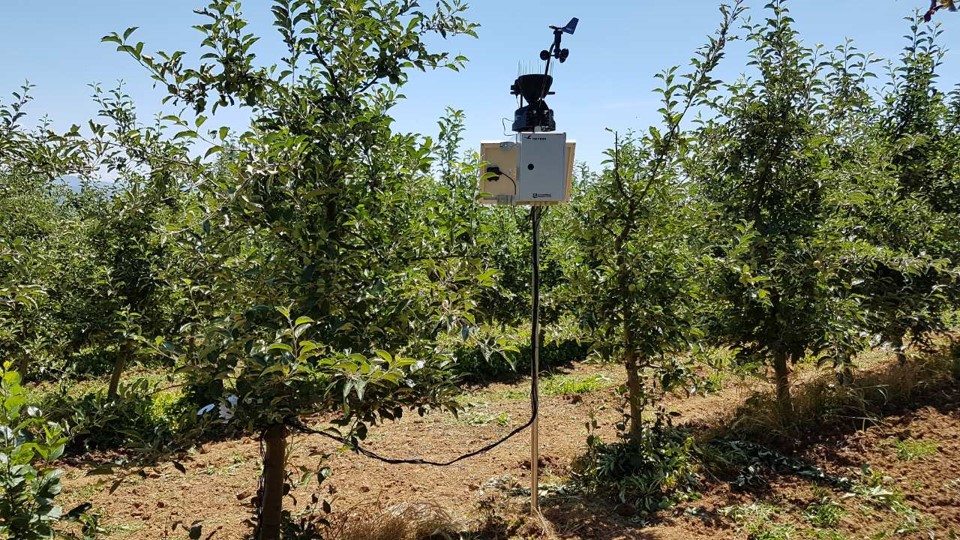
Seal of Excellence
CSS-IWS · Intelligent Weather Stations · EIC Pre-Accelerator
Can smart software replace part of the weather-station hardware?
Traditional automatic weather stations are expensive to install and maintain, and most farms and municipalities will never have one. Yet many decisions — frost protection, spraying, irrigation — depend on conditions at that exact site.
Our approach
- Combine reanalysis, weather forecasts, nearby stations and optional local sensors into gap-free, site-specific weather data and forecasts
- Hybrid AI and physics-based modelling that accounts for soil, vegetation and land use
- A six-month operational pilot with Serbia’s Plant Protection Forecasting and Reporting Service (PIS)
We’re looking for: pilot users (growers, advisory services, municipalities) and funding to take the prototype to an operational service. This proposal is the basis of our Virtual Weather Station.
Concept
HyBioM · Digital twins
Can physics and AI learn from each other to build trustworthy digital twins?
AI weather tools are fast but often physically inconsistent; physics-based models are reliable but hard to calibrate. For pests and disease vectors, the problem is worse: biological data are scarce.
Our approach
- Physics-informed and physics-guided neural networks for farm- and street-level weather
- Hybrid population models for insects that matter — the West Nile virus mosquito and the codling moth
- Studying the “memory” of atmospheric and biological processes, with explainable AI so users can trust the results
We’re looking for: partners in machine learning, entomology and public health, and pest-management users to test the models.
Theme 2 · Seasons, microclimate and adaptation
How the rhythm of the seasons is changing — and what communities can do.
Seeking partners
ADVISER · Horizon Europe, Cluster 6
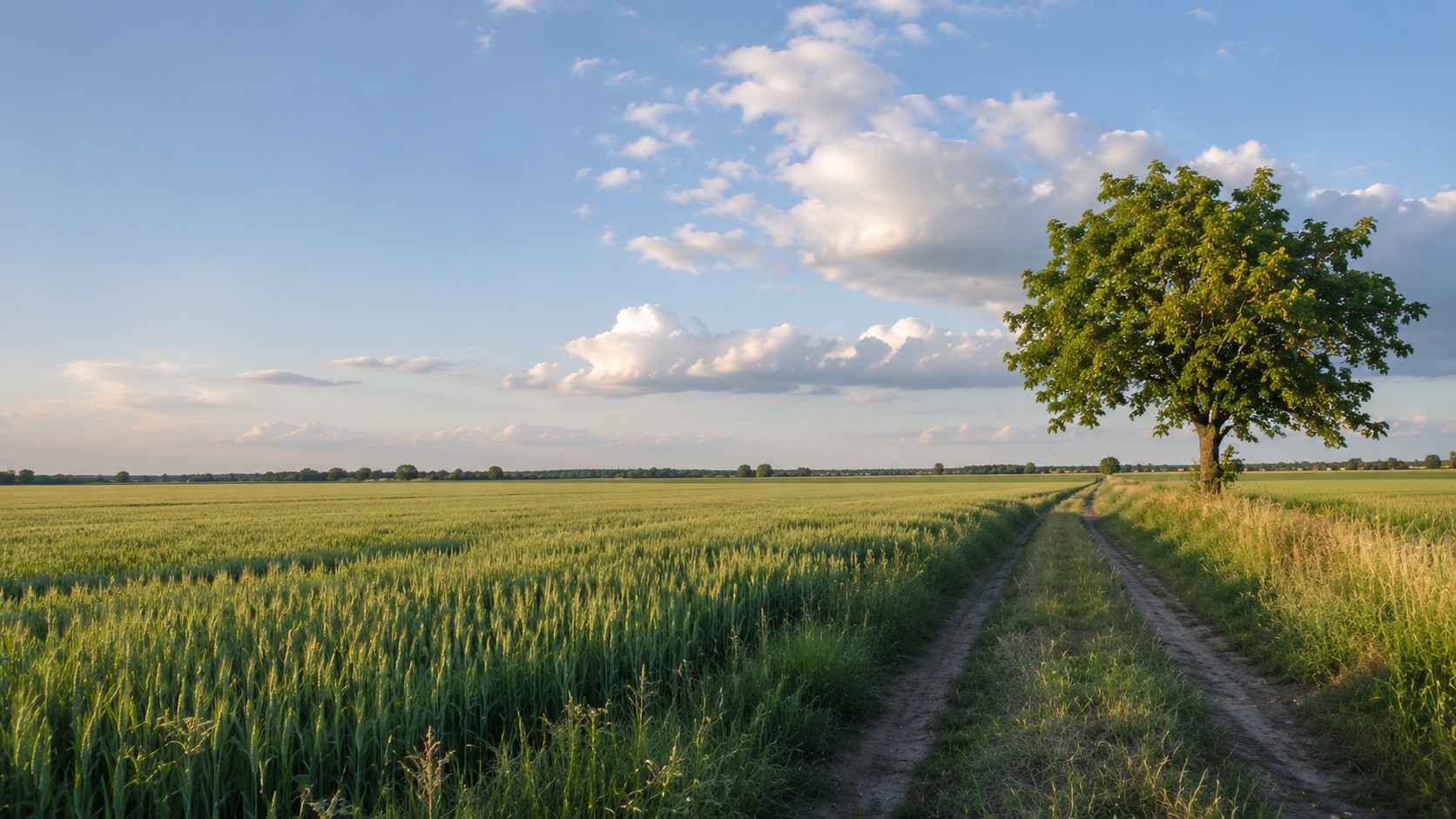
How does land use shape local microclimate and the timing of the seasons — and can rural communities steer it?
Agroecological practices such as hedgerows, cover crops and agroforestry change the microclimate of a landscape, but evidence at field scale is thin and rarely reaches the people who decide how land is used.
Our approach
- Agroecological living labs in agriculture, forestry and marginal lands, measuring microclimate, biodiversity and seasonal dynamics
- Season-aware digital twins of weather stations, combined with traditional phenological calendars
- Schools and villages co-producing seasonal knowledge, supported by a serious game and a virtual village platform
We’re looking for: rural municipalities and living-lab sites, and research partners for a renewed proposal. CSS coordinated the original 15-partner consortium.
Under evaluation
DROUGHT-ADAPT · Joint research programme
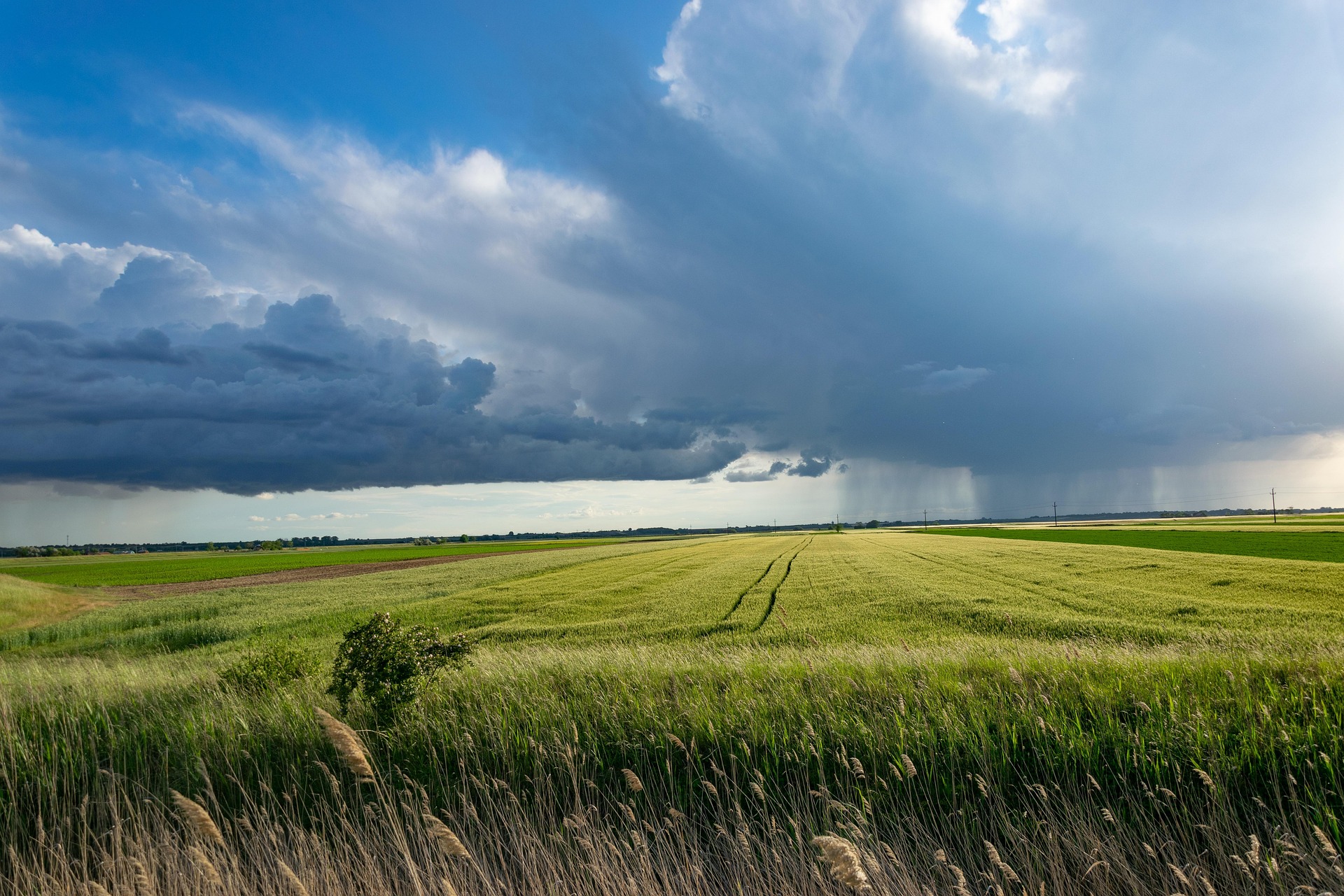
When does a drought really begin — and how long do soil and water “remember” it?
Crop losses depend not only on this season’s weather, but on the water stored from previous seasons and on whether stress hits a sensitive growth stage. These links are rarely studied together.
Our approach
- Follow drought from atmospheric moisture through soil and water storage to crop stress and yield
- Compare calendar seasons with seasons defined by the atmosphere itself, using our NDTR seasonality index
- Test what works for adaptation — irrigation, sowing dates, crop choice — under future climate
We’re looking for: this proposal is currently being evaluated. We’re happy to discuss related work with farmers and water managers.
Theme 3 · Open environmental data
Saving local measurements from oblivion.
Continued in FAIRNESS
DE4EO · Horizon Europe, Cluster 6
How do we stop valuable local measurements from being lost?
Micrometeorological and phenological observations are collected in countless projects, then “languish” in reports and institutional drives — without quality control, gap filling or open access.
Our approach
- A FAIR digital ecosystem for in situ environmental observations, connected to Copernicus and the European Open Science Cloud
- Tools for quality control and gap filling, and services for climate-smart agriculture, cities and health
- A multilingual knowledge platform for farmers, advisory services and municipalities
We’re looking for: organisations holding micrometeorological or phenological data. The idea lives on in the COST Action FAIRNESS, where we are network members.
Have a matching idea, data or a pilot site?
We’re building consortia for upcoming Horizon Europe and national calls. Tell us what you’re working on.